Pillow covers are essential components of sleep setups, offering a protective barrier for pillow cores while contributing to overall room aesthetics. In the Pillow Cover category, materials like organic relaxed linen emphasize breathability, natural texture, and durability. Understanding fabric properties helps users balance comfort with longevity for daily sleeping surfaces and decorative arrangements alike.
Key features to consider include fabric composition, weave, and finish. Organic relaxed linen typically provides excellent moisture management, a cooler touch, and reduced pilling over time. These attributes support hygienic sleep environments and simple maintenance, making linen pillow covers a practical choice for protecting pillows and extending their lifespan.
Functional benefits of pillow covers extend beyond protection. They help maintain pillow cleanliness, reduce wear on pillow cores, and preserve pillow loft. For decorative pillows, linen covers offer a neutral, timeless aesthetic that harmonizes with bedding systems such as sheets and mattresses, while enabling easy color and texture coordination within a bedroom scheme.
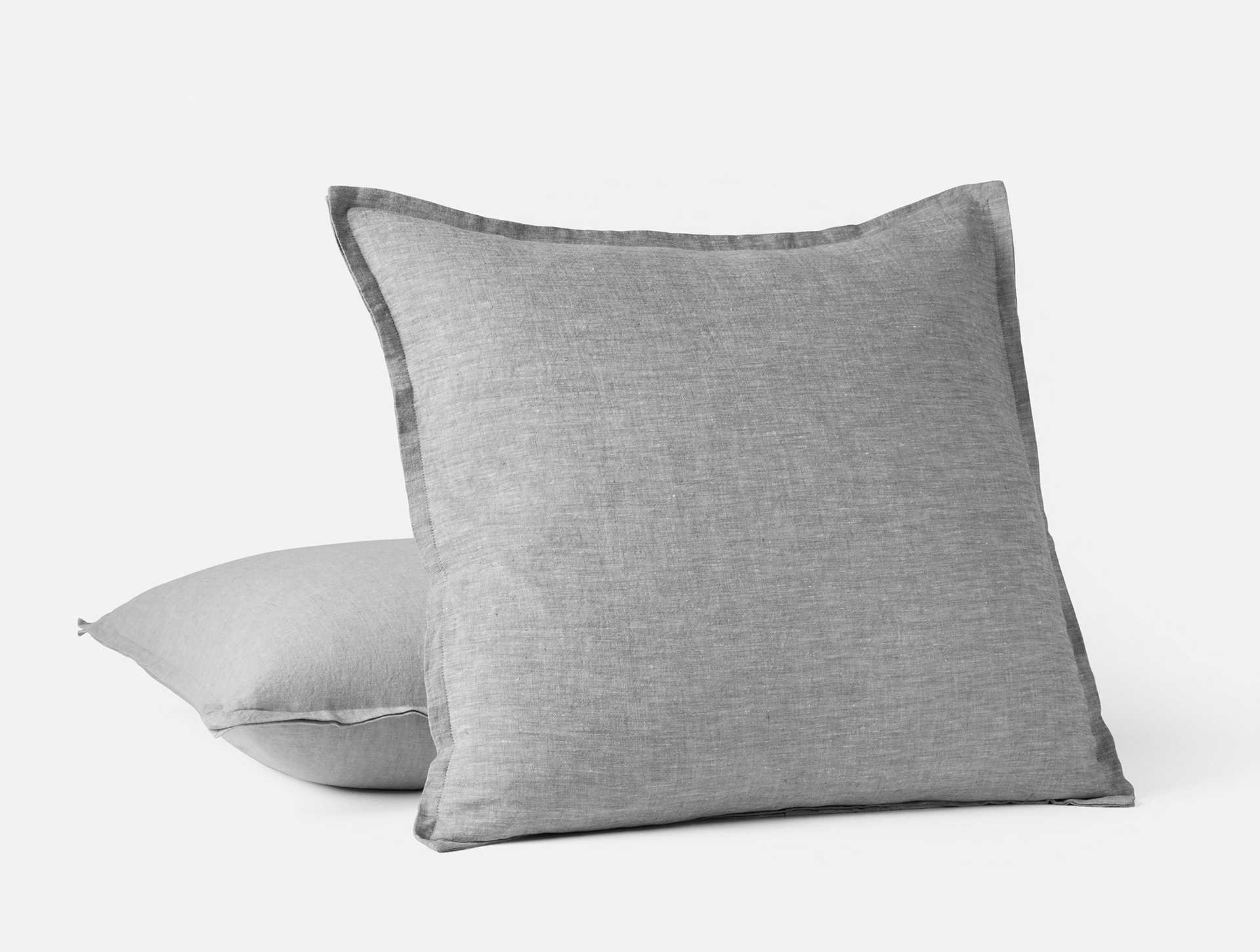
Within this category, product examples like Organic Relaxed Linen Decorative Pillow Cover illustrate how natural fibers respond to daily use. Features may include breathable weave, reinforced seams, and envelope or zipper closures for secure insertion and removal. These design decisions influence ease of care, pillow protection, and long-term performance in various sleeping environments.
In educational terms, selecting a pillow cover involves aligning fabric characteristics with sleep hygiene and room temperature preferences. Linen’s porous structure supports airflow, while a well-fitted cover minimizes friction on pillow surfaces. Understanding these aspects aids in choosing pillow covers that complement bedding, protect core materials, and contribute to an orderly, comfortable bedroom ecosystem.
 Bedding