Purist Linens: A Guide to Linen Care, Craft, and Curated Knowledge

In a world of ever-shifting trends, puristlinens.com stands as a quiet beacon for those who seek clarity, quality, and a practical understanding of linen and natural textiles. This article invites readers into a thoughtful exploration of what makes linen—flax spun into fabric—so enduringly relevant. It also threads time-honored craft with modern care, presenting a resource that is educational, accessible, and intentionally non-commercial in tone.

The domain name itself stitches together two ideas: purity and textiles. “Purist” evokes restraint, traditional craftsmanship, and adherence to standard—attributes well-suited to a resource that prioritizes accuracy, transparency, and care over commerce. “Linens” anchors the dialogue in fabrics that have clothed generations, carrying with them stories of flax, weaving, washing, and care rituals passed down through households.

This article expands on three strategic directions for puristlinens.com, with a focus on Linen Care and Fabric Knowledge as the core pillar. It also introduces a sense of historical context, practical how-tos, and a touch of lifestyle nuance that aligns with modern minimalism and sustainable living. Along the way, we reference a curated, non-promotional product to illustrate how real-world items can be discussed in an informational, value-driven manner.


The Linen Story: History, Fibers, and Craft

Linen is one of the oldest textiles in human civilization, woven from the fibers of the flax plant. Its lineage stretches from ancient Egypt’s tomb textiles to European workshops where flax was spun, retted, and milled into the crisp, breathable cloth we value today. The essence of linen lies not only in its texture and drape but in the fiber’s natural breathability, moisture management, and durability. As a fabric, linen offers a unique combination of structure and softness that improves with use, washing, and careful handling.

The material science behind linen explains why it feels cooler on warm days and warmer when the environment turns cooler. Linen fibers are hollow, which enhances air flow and moisture wicking. When woven into bedding or clothing, linen can regulate microclimates around the body, a feature that appeals to readers who pursue comfort with minimal chemical processing. This section offers a primer to key terms—flax, yarn, weaving, finishing—so readers can decode care guides and textile literature with confidence.

For those exploring the educational route, the Linen 101 framework serves as a pillar: understanding fiber properties, production processes, and environmental considerations. For example, a rug of knowledge might cover how flax is grown, the retting process, spinning, and how the final fabric responds to washing, heat, and wear. The goal is to empower readers to recognize quality indicators and to approach linen purchases with an informed eye.

Linen Care: Practical, Everyday Guidance

The heart of puristlinens.com is practical guidance that readers can apply in their daily lives. Linen care involves a few simple principles: gentle washing, minimal agitation, air drying when possible, and judicious ironing or steaming to preserve the fiber’s natural texture. Because linen does not respond the same way as cotton or synthetic fibers, care protocols emphasize lower heat, milder detergents, and avoidance of aggressive chemical treatments that may compromise the fiber’s integrity.

A strong feature of Direction B is the care checklist. Imagine printable sheets that outline washing temperatures, cycle selections, and stain-treatment steps, all organized in a way that makes linen care approachable for beginners and valuable for seasoned enthusiasts alike. The checklist can be adapted for bedding, table linens, and decorative textiles, ensuring readers have a quick reference for any linen item.

In addition to general guidance, it’s important to discuss stain management in linen. Linen’s natural fiber can resist some stains more effectively than others, and the way a stain is treated matters. For example, fresh organic stains may respond to cold-water rinses and mild nature-based stain removers, whereas older, set-in stains might require gentle mechanical action paired with patience. The aim is to present evidence-backed techniques without sensationalism.

Educational Articles: Fiber Properties, Production History, and Standards

The knowledge hub on puristlinens.com can be built around a pillar of well-sourced essays that demystify linen production, fiber science, and standards. Readers benefit from understanding standards such as OEKO-TEX and GOTS when evaluating textile products. Providing credible citations and cross-references helps build trust and a foundation for thoughtful consumer decisions—without pressuring readers toward any particular supplier.

Topics can range from “Linen vs. Other Fibers” to “The Environmental Footprint of Natural Fibers,” offering balanced perspectives on sustainability, biodegradability, and the lifecycle of linen textiles. Longer essays can interweave historical anecdotes with modern certifications, helping readers trace a material’s journey from field to fabric.

Lifestyle and Minimalist Aesthetics: The Linen Ethos

Direction C’s aspirational layer—Minimalist Living with Linen Aesthetics—explores how linen aligns with calm, clutter-free living. The aesthetic emphasizes neutral tones, natural textures, and a design language that favors quality over quantity. While not a product catalog, this dimension offers readers ideas for pairing linen with a pared-back interior, color theory considerations, and the ethics of natural materials.

When writing about lifestyle, it’s important to maintain a non-commercial lens. The aim is to illuminate how linen can contribute to a serene home environment: breathable bedding that reduces the need for high-heat drying, table linens that invite daily rituals without heavy maintenance, and textiles that age gracefully rather than becoming disposable.


Resource Roundup: Standards, Reading Lists, and Quick References

A well-curated resource roundup helps readers connect theory to practice. This includes glossaries for terms like linen, flax, percale, and finishing techniques, as well as short overviews of international standards and certifications. Providing links to reputable sources enhances credibility and supports readers who wish to dig deeper.

  • Glossary highlights: linen, flax, percale, sateen, hemstitch, GOTS, OEKO-TEX, retting, scouring, finishing.
  • Standards at a glance: what GOTS certification means for organic textiles; OEKO-TEX standard for testing textiles; how to interpret a care label on linen products.
  • Reading list: curated essays and books on linen history, textile science, and sustainable design.

Experiential Content: Guides, Checklists, and Infographics

To support practical engagement, consider interactive or printable formats: a Linen Care Quick-Start Guide, a Stain-Solution Chart, and a Linen-Fiber Comparison Infographic. Visuals that explain fiber structure, moisture management, and care steps can be especially helpful for readers who prefer quick references.


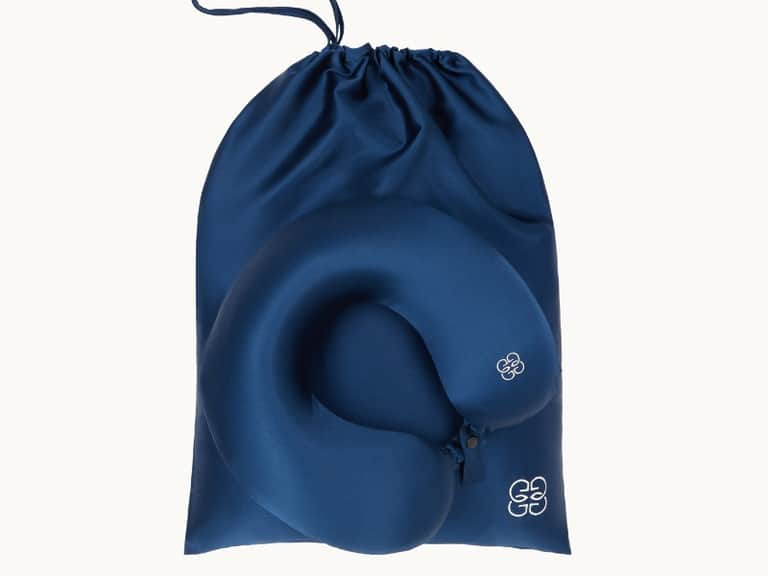
To illustrate how a practical product can be discussed in an informational context, consider a refined travel care solution like the Silk Laundry Bag - Navy. This item embodies the idea of maintaining fabric purity during travel, with a 19 Momme Mulberry silk construction and an inner cushion for gentle handling of garments on the move.

The Silk Laundry Bag is designed for refined storage on the go. Its silk construction provides a breathable, smooth environment that helps protect delicate fabrics from abrasion and humidity during travel. The cushion inside adds structure, ensuring items stay organized and protected within a compact space.

  • Material: 100% Mulberry silk; Weight: 19 Momme
  • Cushion: Included; Cushion casing: 100% cotton sateen
  • Filling: 50% Mulberry silk + 50% Polyester core for gentle support
  • Dimensions: 21" x 16"
Silk Laundry Bag in navy on travel setup

This product demonstrates how Purist Linens can discuss textiles and care within everyday life. It is presented as an informational example, not a sales pitch, reinforcing the editorial ethos of clarity, usefulness, and non-promotional content.

Note: This is a product example used for illustrative purposes within the article. For additional context, see product details and care implications in trusted textile resources.

A Glimpse at Curated Linen Table and Bedding Details

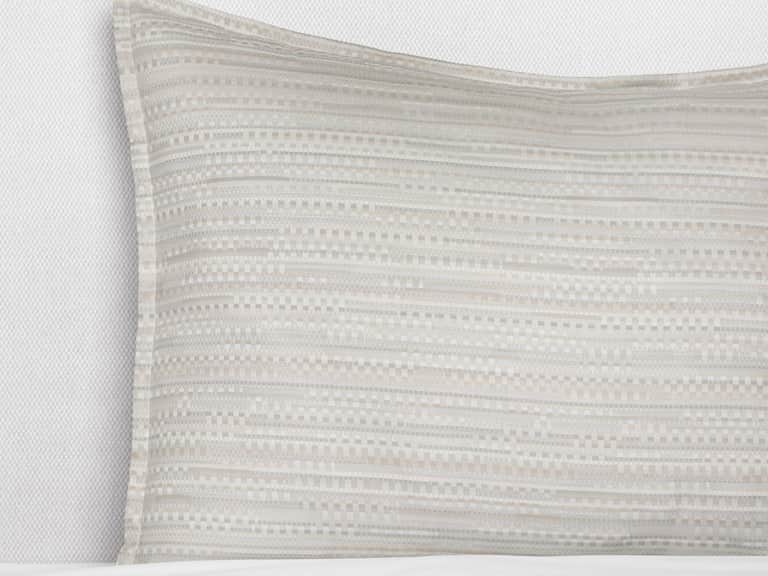
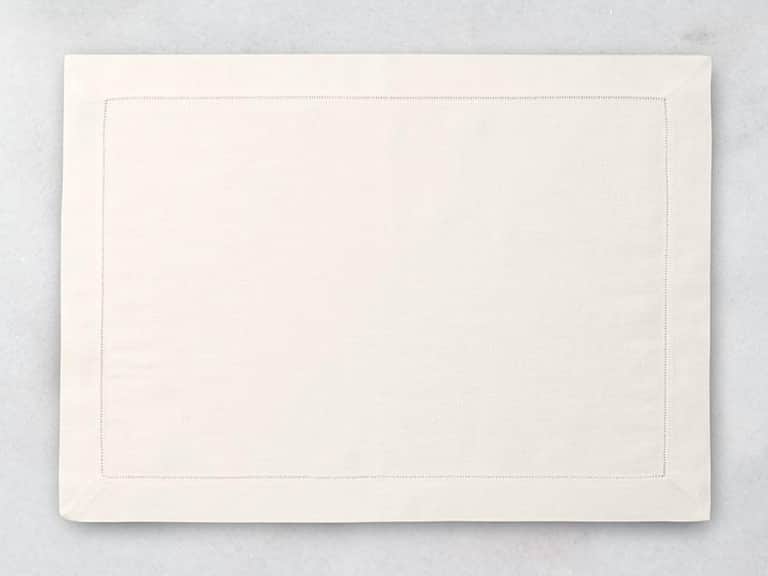
While the core mission remains educational, occasional references to well-crafted textiles enrich the discussion. For instance, Classico Placemats, crafted from 100% linen in Italy with hand-thread-drawn hemstitching and mitered corners, exemplify how refined finishing details can elevate a linen-based table setting. Similarly, Pellestrina Shams in Italian-woven sateen jacquard bring texture and depth without overwhelming the room.

Classico Placemats

Linen placemats woven in Italy with delicate hemstitching and mitered corners. A timeless backdrop for meals and gatherings.

Origin: Italy

Pellestrina Sham

Bone-colored long-staple cotton in a yarn-dyed sateen jacquard with soft stripes, durable for repeated laundering.

Origin: Italy

Three Key Figures Across Time: Linen Voices from Distinct Eras

To illustrate the enduring relevance of linen and textile knowledge, here are three influential individuals who each left a mark in different periods, showcasing how a craft can be both a product and a philosophy.

1) Hypatia of Alexandria (c. 370–415 CE)

A thinker who transcended the era’s boundaries, Hypatia’s era offers a lens on early textile systems through scientific thought. While not a textile artisan by trade, her era was defined by the exchange of knowledge that later informed textile technology and the science of fibers—an ancient reminder that material understanding often follows inquiry in philosophy and mathematics.

2) Leonardo da Vinci (1452–1519)

A master of observation and invention, Leonardo’s notebooks reveal investigations into fabrics, loom patterns, and the physics of cloth. His interdisciplinary curiosity foreshadowed modern textile science, where experimentation with fiber properties and weaving techniques informs how we understand linen’s behavior under different conditions.

3) Anni Albers (1899–1994)

A pioneering modernist weaver, Anni Albers championed textile as a field of art and design. Her work elevated weaving to a language of form, pattern, and social significance. In the context of puristlinens.com, her legacy signals a bridge between artisanal craft and contemporary design thinking—encouraging readers to appreciate linen’s aesthetic potential alongside its practical benefits.

These figures illustrate a continuum: inquiry and science, artistic exploitation of material beauty, and modern design’s embrace of sustainable fibers. Readers can draw inspiration from their persistence, curiosity, and reverence for materials—principles that underpin a discerning approach to linen and natural textiles today.

Purist Linens invites readers to engage with linen through study, practice, and mindful consumption. The hub aims to be a steady source of knowledge, a companion for students and homeowners alike, and a small beacon of clarity in a world saturated with competing narratives.

Explore Linen Care (coming soon)

Related Products

Silk Laundry Bag - Navy

Gingerlily

Silk Laundry Bag - Navy

Travel smart with 100% Mulberry silk, 19 Momme. Breathable, protective bag cushions delicate clothes, keeps dirt separate, and preserves freshness—silk-soft inside, sturdy on the go.
Classico Placemats

Sferra

Classico Placemats

Experience timeless Italian craftsmanship with breathable 100% linen, hand-thread-drawn hemstitching, and crisp mitered corners—quiet elegance that wipes clean, lasts for generations, and elevates everyday meals.
Pellestrina Sham

Sferra

Pellestrina Sham

Experience a soft, textured feel with timeless depth. Italian-woven yarn-dyed stripes stay rich wash after wash, pairing beautifully with Pellestrina. Easy care, durable sheen, and refined comfort that lasts.
Theme